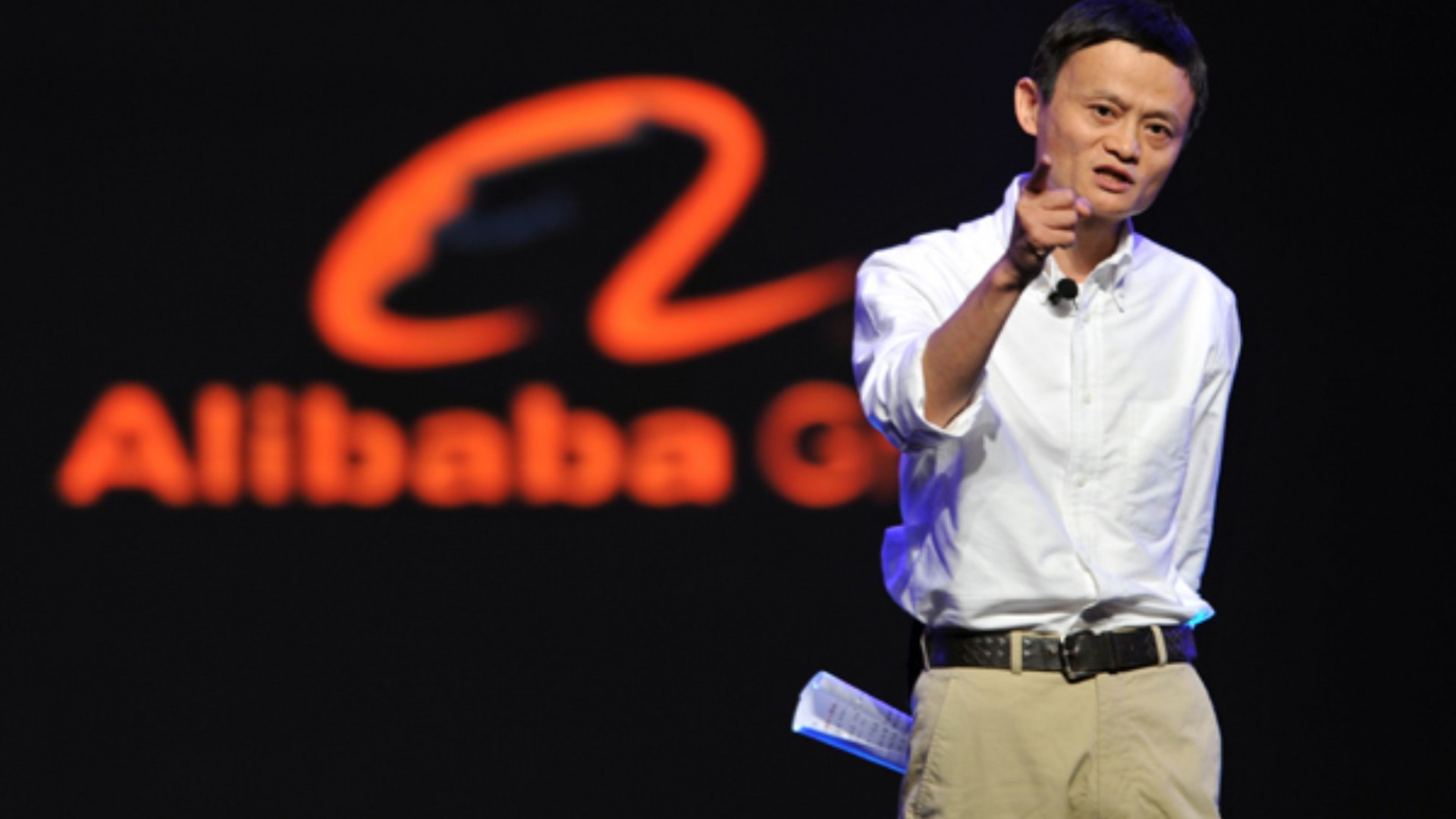
The Rise and Fall of Jack Ma: A Tale of Wealth, Power, and Silence
In the world of global business, few stories are as captivating—and cautionary—as that of Jack Ma, the founder of Alibaba and once dubbed the “Chinese Jeff Bezos.” A former English teacher turned billionaire, Ma’s journey from humble beginnings to the pinnacle of wealth is a remarkable one. But his sudden disappearance in 2020, following a public critique of China’s government, serves as a stark reminder of the limits of power in a country where the state reigns supreme. Here’s the story of Jack Ma’s rise, his fall, and the lessons we can learn from his saga.
From Humble Beginnings to China’s Richest Man
In 1999, Jack Ma was a man of modest means, an English teacher who had faced rejection from 30 jobs—including a position at KFC. Undeterred, he founded an online marketplace called Alibaba from his apartment in Hangzhou, China. What started as a small venture grew into a global e-commerce giant, often described as “China’s Amazon, but bigger.” By 2020, Alibaba’s Singles’ Day sales—a 24-hour shopping event—generated a staggering $74 billion in revenue, cementing its dominance in the market.
Ma’s success propelled him to incredible heights. By 2019, he was China’s richest man, with a net worth of $61 billion. He became a global celebrity, rubbing shoulders with Hollywood stars and speaking at high-profile events like the Davos World Economic Forum. His face was everywhere in China, a symbol of entrepreneurial triumph in a country undergoing rapid economic transformation. For a time, the Chinese Communist Party seemed to embrace his success, viewing it as a testament to China’s growing global influence.
But everything changed when Jack Ma opened his mouth.
A Speech That Shook the World
On October 24, 2020, Ma delivered a speech at a financial summit in Shanghai. In it, he criticized China’s financial regulators, calling them outdated, and took aim at the country’s banking system, which he argued stifled innovation. His words were a direct challenge to the Chinese government—a rare and bold move for someone of his stature. At the time, Ma was preparing for the launch of Ant Group’s initial public offering (IPO), a financial tech firm spun off from Alibaba. The IPO was set to be the largest in history, valued at $37 billion, and would have solidified Ma’s position as one of the world’s most powerful businessmen.
The Chinese Communist Party, however, was not amused. Within days, the government took swift and decisive action. Ant Group’s IPO was abruptly canceled, a move that sent shockwaves through the global financial community. Ma’s fortune plummeted overnight, erasing billions of dollars in value. And then, just as suddenly, Jack Ma vanished.
A Three-Month Disappearance
For three months, Ma was nowhere to be found. No public appearances, no social media posts, nothing. Rumors swirled globally: Had he been detained? Was he even alive? Had he fled the country? Chinese state media remained silent, offering no clues about his whereabouts. Meanwhile, Alibaba’s stock continued to fall, and the world watched in stunned silence as one of China’s most prominent figures seemingly disappeared without a trace.
Theories abounded, but one thing became clear: no one, not even a billionaire like Jack Ma, was above the reach of Beijing. His disappearance sent a chilling message to China’s business elite: the Communist Party always has the final say.
A Subdued Return
In January 2021, Jack Ma finally reappeared in a short video. But the man who returned was a shadow of his former self. Visibly thinner and subdued, Ma read from a script, praising China’s leadership and focusing on rural education—a stark contrast to the fiery, outspoken billionaire the world had come to know. There was no mention of his disappearance, no explanation of the failed IPO, and no hint of the charismatic leader who had once captivated audiences worldwide.
Behind the scenes, the consequences of Ma’s speech were severe. He was forced to step down from Alibaba, the company he had built from the ground up. Alibaba was slapped with a $2.8 billion antitrust fine, and control of the company was handed over to state-backed entities. Ma’s voting rights in Ant Group were slashed from 50% to just 6%, ensuring he no longer had a controlling stake. His personal wealth, once estimated at $61 billion, fell to $25 billion—nearly half of his fortune wiped out, all because of a 20-minute speech.
A New Chapter: Retreat and Reflection
Today, Jack Ma is a far cry from the global icon he once was. He has largely retreated from the public eye, with occasional sightings in places like Japan, Spain, and Thailand. Reports suggest he has taken up painting, philanthropy, and agricultural initiatives—quiet pursuits that keep him out of the spotlight. The man who once dreamed of creating a million jobs in the United States, who danced on stage at Alibaba’s 18th-anniversary party, and who inspired millions with his rags-to-riches story, now lives a life of relative obscurity.
The Lesson: In China, the Party Always Wins
Jack Ma’s saga reveals a simple, sobering truth: in China, private wealth exists at the pleasure of the Communist Party. No matter how rich you are, how famous you become, or how many jobs you create, you cannot challenge the system. The Party’s grip on power is absolute, and those who step out of line—like Ma—face swift and severe repercussions.
Ma’s story is not an isolated one. In recent years, the Chinese government has cracked down on its billionaire class, signaling a shift in priorities under President Xi Jinping. The era when tech entrepreneurs were seen as the driving force of China’s economy has passed, replaced by a renewed emphasis on state control and ideological conformity.
What Can We Learn?
Jack Ma’s rise and fall offers several key lessons for entrepreneurs and business leaders around the world:
- Sometimes, silence is the better option. Ma’s outspoken criticism of the Chinese government may have been principled, but it came at an enormous cost. Knowing when to speak and when to stay quiet can be a matter of survival in certain environments.
- Money can’t always buy freedom. Despite his immense wealth and global influence, Ma was powerless against the might of the Chinese state. Financial success does not guarantee autonomy, especially in a system where political power trumps all.
- Your words matter—especially if you’re famous. Ma’s personal brand made him a household name, but it also made him a target. A 20-minute speech was enough to unravel years of success, underscoring the risks of wielding influence in a politically charged environment.
The Power of a Personal Brand—And Its Risks
Jack Ma’s story also highlights the double-edged nature of building a personal brand. On one hand, a strong personal brand can open doors, attract opportunities, and build trust. Ma’s charisma and visibility helped him network with global leaders, secure partnerships, and grow Alibaba into a powerhouse. On the other hand, that same visibility made him a lightning rod for scrutiny. When you’re a public figure, your words carry weight—and they can just as easily be used against you.
In 2025, building a personal brand remains a non-negotiable for entrepreneurs and business owners. It can lead to more visibility, better networking opportunities, and increased trust from clients and partners. But as Ma’s story shows, it also comes with risks. The key is to navigate those risks wisely, balancing authenticity with caution, especially in environments where power dynamics are complex.
Final Thoughts
Jack Ma’s journey from a rejected job applicant to China’s richest man—and back to obscurity—is a testament to both the heights of entrepreneurial success and the depths of political reality. His story serves as a powerful reminder that in some parts of the world, wealth and fame are no match for the forces of the state. For those of us watching from the sidelines, it’s a lesson in humility, resilience, and the importance of understanding the systems we operate within.
What do you think of Jack Ma’s story? Does it change the way you view the relationship between business and politics? Let’s continue the conversation in the comments below.
David Daniels has been writing at DavidDaniels.com since 2001. Download the free life planning workbook, Write Open Act, to start mapping the gap for yourself.